Can Google actually read your website?
Type site:yourdomain.co.uk into Google, with your own address after the colon, and count the results. If it shows every page you would expect, Google has found the site. If it shows one page or none, nothing else on this list matters yet.
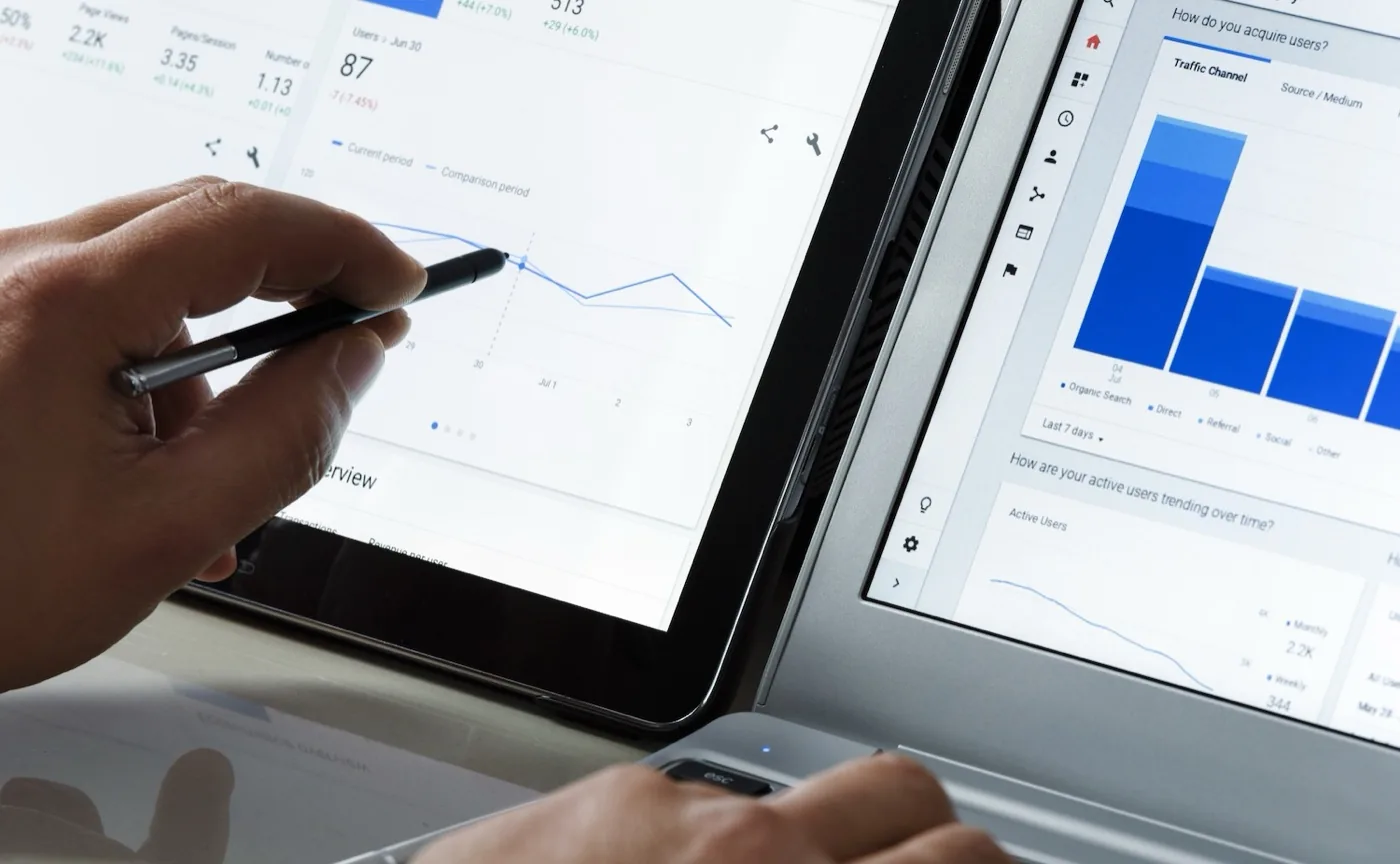
Then open Google Search Console, which is free, and look at the Pages report. It lists what is indexed and what is excluded, and gives a reason for each exclusion. Pages marked noindex, blocked by robots.txt or "crawled, currently not indexed" are the ones to look at first. Most Bradford business sites we look at have a handful of these and nobody knew.
Is there a page for every service and every place?
Write down the ten searches you most want to win, as a customer would type them, with the place on the end: joinery Bradford, commercial electrician Shipley, accountant Bingley. Now find the page on your site that answers each one. If the answer is "the homepage" or "the services page" for more than a couple of them, you have found the biggest gap on most local sites.
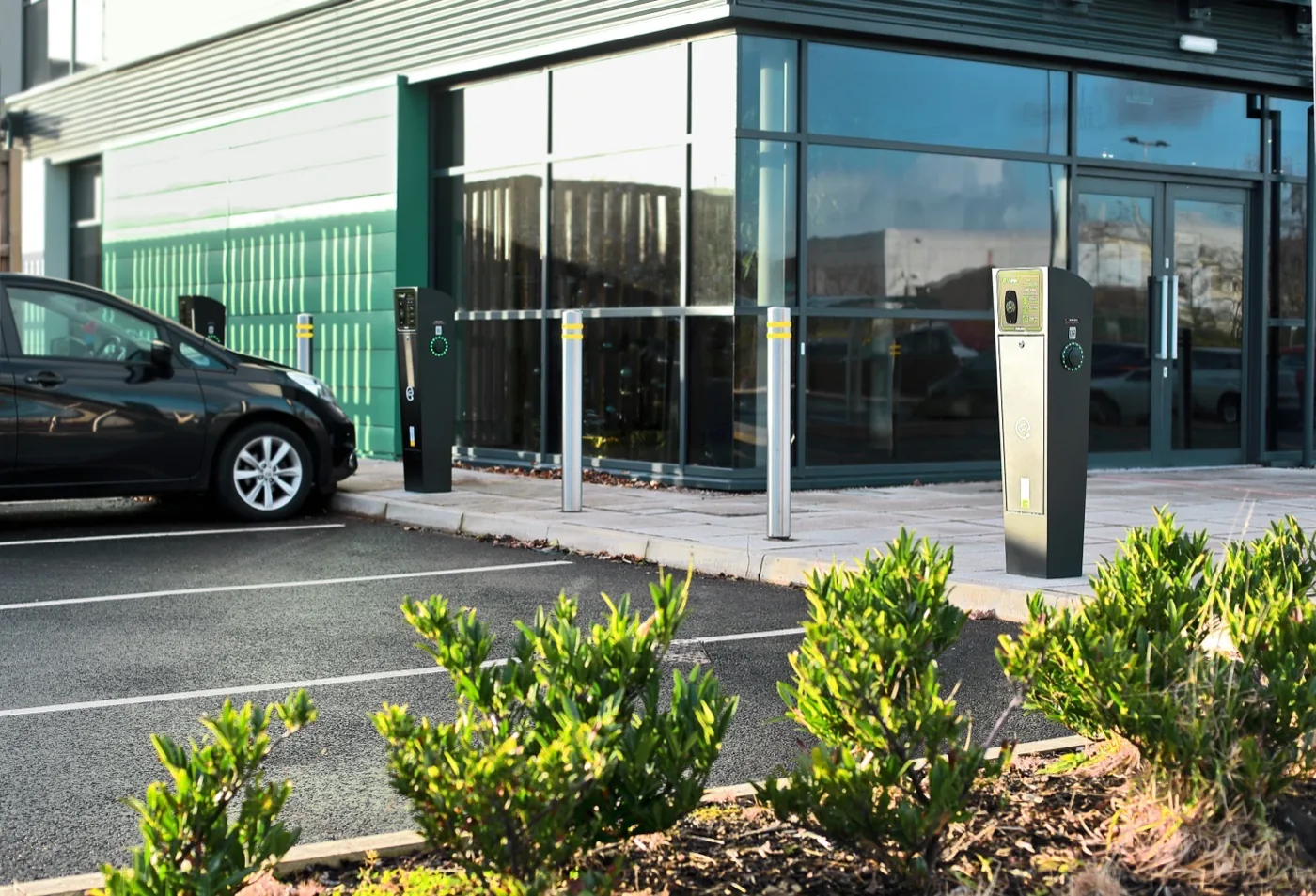
A page per service, and a page per town you genuinely work in with something real on it, is what lets a small business rank for specific searches. RB Electrical in Halifax has a page for each specific service, EV charging among them, with enough on it to rank on its own, and that is the pattern behind the two organic leads a week it has averaged for five years.
Does your Google Business Profile match your website?
Search your own business name and look at the panel on the right, or the map listing on a phone. Check the name, address, phone number, opening hours, categories and the website link against what the site says. Every difference is a small reason for Google to trust both a little less, and the categories decide which map searches you can appear for at all.
While you are there, count the reviews and look at the date of the newest one. A profile with forty reviews and nothing since last spring reads as a business that has gone quiet.
Is there any proof on the pages people land on?
Open the page for your most valuable service and look for three things: a photograph you took of a real job, a named customer or project, and a review. If all three are missing, a visitor arriving from search has nothing to weigh you against the firm one result down. Google reads the same signals. A page with real evidence on it tends to hold its position; a page of generic text tends to slide.
Does the site ask for the enquiry, and can you see where enquiries come from?
Scroll a service page on your phone and note how far you go before you are offered a way to get in touch. Then send yourself a test enquiry and check that you can tell, afterwards, which page it came from. If the answer to either is no, search traffic is leaking out of the site before it becomes a lead, and no amount of ranking fixes that.
Search Console shows the queries people used to reach you. Compare them with your last ten jobs. If the jobs came from recommendations and the queries are all your own company name, the search side has not started working yet, whatever the traffic graph says.
What does Halizona do with the checklist?
The same checks, in the same order, on your site and on the three competitors above you, so the report says where you lose and why. Then a fixed plan: the technical fixes first, then the pages that are missing, then the proof and the tracking. You see every change on your own website, with the reason for it, and we measure the result in enquiries. The full list, for the fridge door:
- Google can read every page you care about
- A page for each service and each place, with real content on it
- A Google Business Profile that matches the website
- Real photographs, named jobs and reviews on the landing pages
- A clear way to enquire on every page
- Tracking that ties enquiries back to searches