Is your website in Google at all?
Search for your company name first. If the site does not appear for its own name, it is either brand new, blocked, or has a technical problem, and a site: search will confirm it: type site:yourdomain.co.uk and see what comes back. Nothing at all means Google has never indexed it. Search Console, which is free, will tell you why: a noindex tag left on from the build, a robots.txt file blocking everything, or a site so new Google has not been round yet.
A new site usually gets found within a few days if it is submitted through Search Console and linked from somewhere Google already knows, such as your Google Business Profile.
Are you searching for what customers actually type?
Owners tend to test their ranking on the search they would use themselves, which is often the trade name or a technical term. Customers type the problem and the place: emergency electrician Bradford, van MOT Shipley, office cleaning Bingley. Check those. Ranking well for a phrase nobody uses feels like visibility and produces nothing.
Search Console shows the queries that have already shown your site, with the average position for each. It is the quickest way to see the difference between the searches you think you rank for and the ones you do.
Is there a page on your site that answers the search?
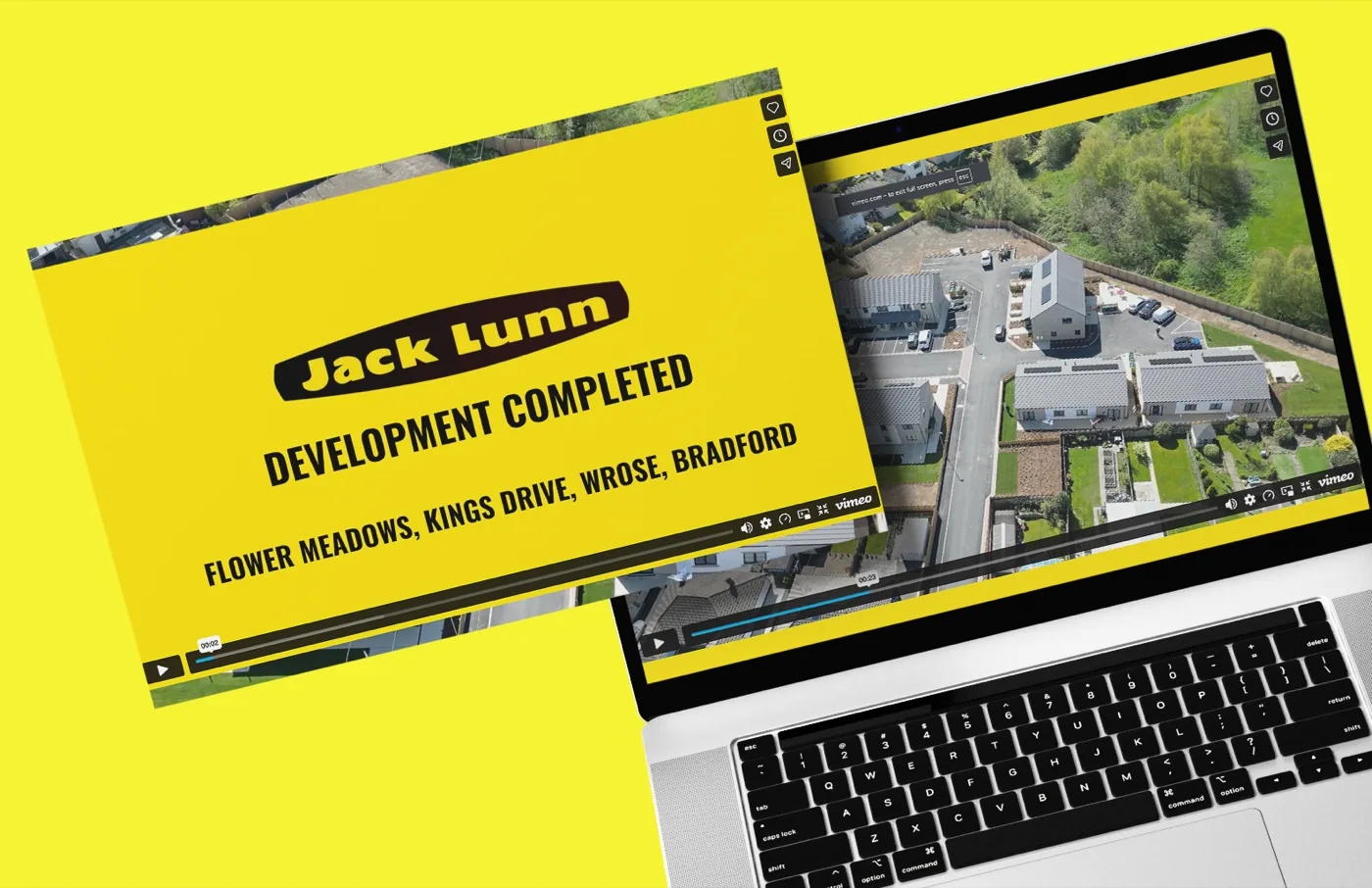
Google ranks pages, and it picks the page on the web that answers the search best. If the search is commercial flooring Bradford and your site mentions flooring in one line on a services page, there is nothing for Google to rank. The firms above you almost certainly have a page built for that exact search, with photographs of jobs, the areas covered and a way to enquire. That is the structure behind Bond Brickwork sitting at the top of Google for the commercial brickwork searches that matter: pages built around the searches, with evidence from live sites on them.
Is your Google Business Profile keeping you out of the map results?
For most local searches the map pack sits above the ordinary results, and Google fills it from Business Profiles, so a website on its own cannot get you into it. Check that the profile exists, that you own it, that the primary category is the trade a customer would look for, and that the address or service area covers Bradford. A profile listed under the wrong category, or a service-area business that has hidden its address and set no service area, will sit outside the pack for every search. Reviews matter here too, and so does replying to them.
What if all of that is fine and you still do not show?
Then it is either the site or the competition. Test the site on your phone over mobile data. If it takes more than a few seconds to show anything, or the text is too small to read without zooming, Google is seeing the same thing. Run it through PageSpeed Insights, which is free, and look at the mobile score. Slow, insecure or broken sites lose to ordinary ones every day, whatever the words on them say.
If the site is sound, the firms on page one have more: more pages, more reviews, more mentions on other websites and a longer history. That is a competition problem, and the guide on how competitive your local market is shows you how to size it up. The short version: look at the weakest site on page one. If a two-page site from a one-van firm is ranking, you can too.
What would Halizona do about it?
Run those checks on your site and on the businesses above you, tell you which one is the real cause, and put it in writing with the fix and the cost. Sometimes the answer is a morning’s technical work. Sometimes it is six new pages and a year of patience. You will know which before you spend anything.